



Signs You May Need Treatment for Receding Gums
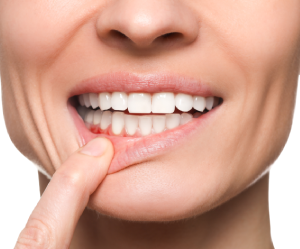 Gum recession, wherein the gum tissue surrounding the teeth starts to pull away, often happens slowly over time. While the symptoms might not be noticeable right away, this condition can lead to pain, sensitivity, and damage to your oral structures when left untreated — particularly if erosion of the gums begins to expose the tooth roots.
Whether you’re experiencing minor sensitivity in the gums or something more serious, recognizing the early warning signs of gum recession and understanding your risk factors can help you get ahead of the problem when it’s most treatable. At Scripps Center for Dental Care, acclaimed La Jolla periodontist Erez Nosrati, DMD, MSD, MSc, DAB Perio breaks down common signs of gum recession and how the state-of-the-art Pinhole® Surgical Technique can restore gum health without surgery.
Symptoms of Receding Gums
Receding gums usually present subtly at first with symptoms like mild sensitivity, but other common signs include:
- Teeth that appear longer than they used to
- Increased sensitivity to hot, cold, or sweet foods and drinks
- Discomfort near the gumline
- A visible notch or indentation near the gumline
- Exposed tooth roots, which may look yellowish compared to the enamel
- Gums that feel tender, swollen, or bleed easily when brushing or flossing
- Loose or shifting teeth in more advanced cases
- A change in how your bite feels
If you notice any of these symptoms, having a dentist take a closer look at your teeth and gums is typically the best course of action. Early intervention when addressing gum recession is generally easier and less invasive than treating advanced stages, which is why it’s important to keep up-to-date with your semi-annual dental appointments.
Am I At Risk for Gum Recession?
While anyone can develop receding gums, certain factors may make some individuals more prone to gum recession than others. In general, you may be at a greater risk if you:
- Have a history of periodontal (gum) disease
- Brush too hard or use a hard-bristled toothbrush
- Grind or clench your teeth
- Use tobacco products
- Have misaligned teeth or a bite that puts uneven pressure on your gums
- Have a lip or tongue piercing that rubs against the gum tissue
- Have thin or naturally fragile gum tissue
- Have a family history of gum recession
Age can also play a role, as gum tissue naturally thins over time. That said, it’s important to remember that gum recession isn’t limited to older adults. The condition can also affect people in their twenties and thirties, especially if other risk factors are present.
Causes and Solutions
Gum recession can stem from gum disease, aggressive brushing habits, tobacco use, genetics, bite misalignment, or other factors. In some cases, symptoms in their early stages may improve from altering your oral hygiene techniques and using a softer toothbrush. Scaling and root planing can help in situations where underlying gum disease is a factor, whereas orthodontic correction may benefit patients when misalignment is a contributing factor. For more advanced recession, the Pinhole® Surgical Technique can be highly effective in restoring lost tissue and protecting the tooth roots.
Minimally Invasive Pinhole® Surgical Technique — Performed by Certified PST® Provider Erez Nosrati, DMD
For patients with more significant gum recession, the Pinhole Surgical Technique (PST®) offers a minimally invasive alternative to traditional gum grafting. Rather than cutting and suturing tissue from elsewhere in the mouth, this technique uses a small pinhole entry point to gently reposition existing gum tissue over the exposed root. Since there are no incisions or grafts involved, patients typically experience less discomfort, minimal swelling, and a faster recovery time compared to conventional grafting procedures.
At our San Diego-area practice, Dr. Erez Nosrati is not only a periodontist who focuses exclusively on treating issues related to the gums, but he is also a Certified PST® Provider with specialized training in this technique. For patients concerned about the discomfort or downtime associated with traditional gum surgery, this approach can be a comfortable and less invasive way to treat receding gums while restoring a healthier, more natural smile.
If you’re noticing signs of gum recession, don’t wait for your symptoms to worsen. A consultation with a qualified dentist can help determine the underlying cause(s) and outline the most appropriate treatment plan for your specific situation.
At Scripps Center for Dental Care, we pride ourselves on offering conservative, minimally invasive techniques performed by our in-house team of dental specialists. You deserve experienced care by dental professionals at the top of their field, so don’t hesitate to contact our La Jolla practice for a consultation.
For more information, or if you with to schedule a consultation, please don’t hesitate to contact our office today.
Contact Us